
Exploring the Waterfall Between Zambia and Zimbabwe
The waterfall between Zambia and Zimbabwe—Victoria Falls—is one of Africa’s greatest natural masterpieces. With roaring water, swirling mist, and rainbows that drift through the air, it’s a destination that stuns every traveler who stands before it. Whether you explore it from Zambia or Zimbabwe, the experience is nothing short of unforgettable.
- The Waterfall Between Zambia and Zimbabwe at a Glance
- The Two Sides of the Falls: Zambia vs. Zimbabwe
- Crossing Between Zambia and Zimbabwe
- How to Get There
- When to Visit Victoria Falls
- Activities Beyond the Falls
- Where to Stay Near the Falls
- Practical Travel Tips
- Sample Two-Day Itinerary
- Who Should Visit the Waterfall Between Zambia and Zimbabwe
- FAQ
- Conclusion
The waterfall between Zambia and Zimbabwe—Victoria Falls—is one of the world’s greatest natural wonders. Straddling the mighty Zambezi River, it roars with power, drapes visitors in mist, and glows with rainbows that dance through the spray. Whether you stand on the Zambian or Zimbabwean side, the experience is unforgettable. This guide dives into its history, the best viewpoints, when to visit, and why travelers should apply for a Zambia eVisa before embarking on this once-in-a-lifetime adventure.
Imagine a wall of water so wide and powerful that its thunder can be heard miles away. The waterfall between Zambia and Zimbabwe—known to locals as Mosi-oa-Tunya (“The Smoke That Thunders”)—is not just a sight; it’s an experience that fills your senses.
As a traveler, standing before Victoria Falls is humbling. The mist kisses your face, the roar and vibration of the falls can be felt beneath your feet, and you can’t help but feel small in the presence of something so raw and eternal. It’s no wonder this natural wonder draws visitors from around the globe year after year.
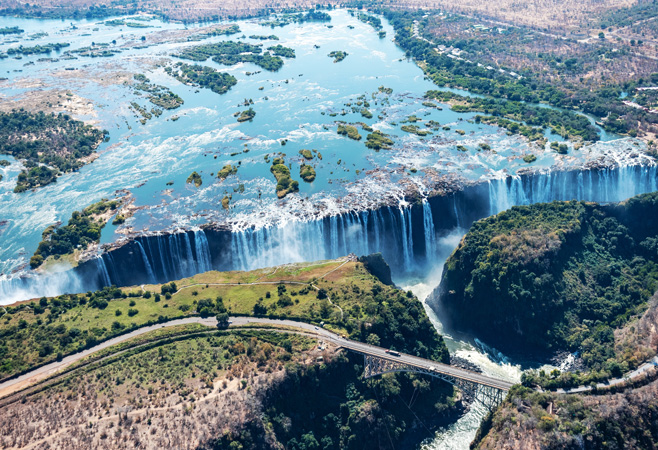 Victoria Falls – The Smoke That Thunders
The Waterfall Between Zambia and Zimbabwe at a Glance
Where the Falls Are Located
Victoria Falls sits on the mighty Zambezi River, forming the natural border between Zambia to the north and Zimbabwe to the south. The waterfall stretches about 1.7 kilometers wide and plunges 108 meters deep, creating one of the most dramatic curtain-like cascades on Earth.
On the Zambian side lies the Mosi-oa-Tunya National Park, while the Zimbabwean side is protected by the Victoria Falls National Park—both forming part of the UNESCO World Heritage Site known as “Mosi-oa-Tunya / Victoria Falls”.
The Meaning of “Mosi-oa-Tunya”
Long before explorer David Livingstone named it “Victoria Falls” in 1855, the local Tonga people called it Mosi-oa-Tunya, which means “The Smoke That Thunders.” The name captures its essence perfectly—rising clouds of mist visible from miles away and a deep rumble echoing through the valley.
The Power of Nature
At peak flow during the height of the rainy season, more than 500 million liters of water per minute can cascade over the edge. The result? A towering plume of spray that can soak you to the skin even from the viewing paths. Rainbows—sometimes even moonbows at night—form in the mist, giving the falls a surreal glow.
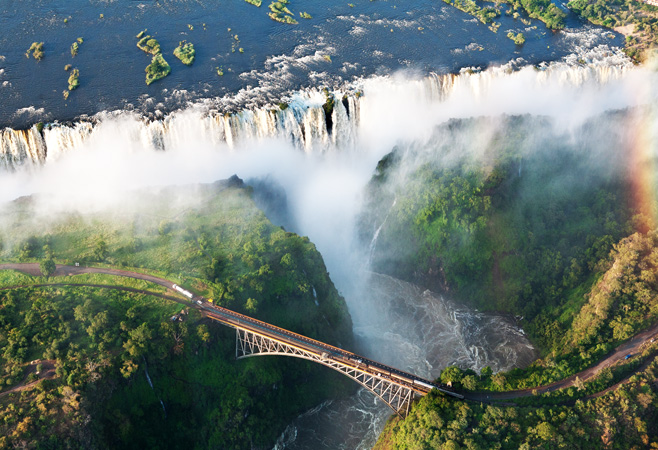 Knife-Edge Bridge at Victoria Falls Zambia
The Two Sides of the Falls: Zambia vs. Zimbabwe
The Zambian Side – Up Close and Personal
The Zambian side offers intimacy. Here, you don’t just look at the falls—you feel them. Walkways lead you right up to the edge where the spray is thick, and bridges span across gorges for heart-stopping views.
Key highlights on the Zambia side include:
- Knife-Edge Bridge: A narrow path where mist rains down so heavily that you’ll laugh as your clothes soak through.
- Boiling Pot: A swirling whirlpool at the base of the falls, accessible via a steep but thrilling trail.
- Livingstone Island: The exact spot where David Livingstone first glimpsed the falls—today, you can have lunch here, surrounded by rainbows.
- Devil’s Pool: A natural infinity pool at the lip of the falls, open during low-water season. You can swim to the edge—literally!
For travelers entering through Zambia, the Zambia eVisa is a convenient option for many international travelers. It allows you to arrive through major airports or land borders, saving you time and hassle at arrival.
The Zimbabwean Side – Panoramic Grandeur
If Zambia gives you intimacy, Zimbabwe gives you the full picture. About 75% of the waterfall’s width can be viewed from Zimbabwe, thanks to well-maintained trails that snake along the gorge’s rim.
Don’t miss:
- Main Falls Viewpoint: The most famous view, capturing the thunderous central cascade.
- Danger Point: A slippery, exhilarating lookout with breathtaking panoramas.
- Rainforest Trail: A lush, mist-soaked path where sunlight filters through dripping leaves.
Both sides are spectacular—but if you have the time, seeing the falls from both Zambia and Zimbabwe gives you the complete experience.
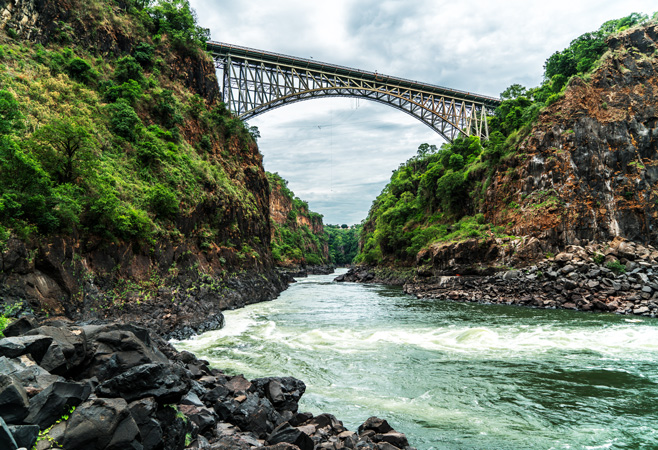 Victoria Falls Bridge Connecting Zambia and Zimbabwe
Crossing Between Zambia and Zimbabwe
The Victoria Falls Bridge
The two countries are connected by the historic Victoria Falls Bridge, built in 1905. Walking across it is an adventure in itself, with the Zambezi River roaring below and the spray rising on both sides.
You can cross the border here, though you’ll need the appropriate visa arrangements. The Zambia eVisa simplifies entry from Zambia’s side, and travelers can often obtain a combined visa to visit both nations if they wish.
The KAZA Univisa Option
For travelers planning to explore both countries, there’s a regional visa known as the KAZA Univisa, allowing multiple entries between Zambia and Zimbabwe during your stay. However, availability may vary, so it’s wise to check ahead and apply for a Zambia eVisa if you plan to start your journey from there.
How to Get There
By Air
- Zambia side: Fly into Harry Mwanga Nkumbula International Airport (Livingstone Airport), about 20 minutes from the falls.
- Zimbabwe side: Fly into Victoria Falls International Airport, a short drive from the town center.
By Road
If you’re traveling within southern Africa, you can reach the falls via road networks from Lusaka (Zambia), Kasane (Botswana), or Bulawayo (Zimbabwe). Border crossings are generally straightforward with a valid eVisa or passport.
By Rail and Bus
There are also scenic train and bus options connecting Livingstone to other Zambian cities and beyond.
When to Visit Victoria Falls
The best time to visit depends on what kind of experience you want:
- February to May: Peak flow season—powerful spray, thundering sound, and dramatic rainbows. Bring a poncho!
- June to August: Drier weather, great for photography, clear skies, and still plenty of water.
- September to December: Low-water season—ideal for visiting Devil’s Pool and seeing the rock formations behind the falls.
Each season offers its own magic. Even at its lowest, the waterfall between Zambia and Zimbabwe never loses its charm.
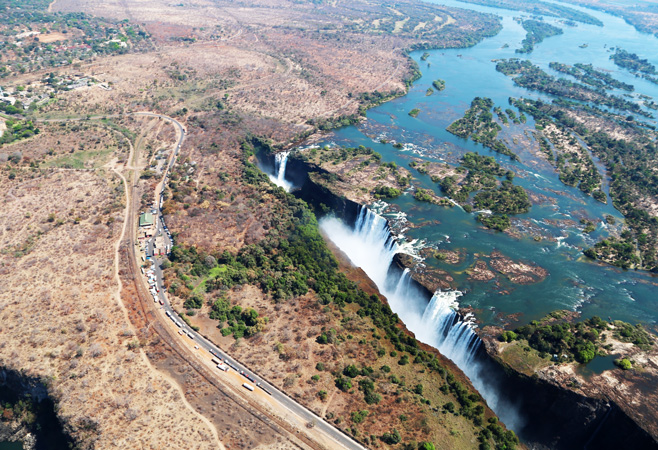 Helicopter View of Victoria Falls Gorge on the Zambezi River
Activities Beyond the Falls
Adventure for the Brave
Victoria Falls is Africa’s adrenaline capital. Take your pick:
- Bungee jumping from the Victoria Falls Bridge (111 meters high).
- White-water rafting on the Zambezi River’s world-class rapids.
- Helicopter flights over the falls, giving you a bird’s-eye view of the gorge system.
- Gorge swinging, ziplining, or microlight flights for thrill-seekers.
Gentle Experiences for Nature Lovers
Not everything here is about adrenaline. You can also enjoy:
- Sunset cruises on the Zambezi River with hippos grunting nearby.
- Game drives in Mosi-oa-Tunya National Park or Zambezi National Park.
- Cultural tours to local villages, art markets, and Livingstone Museum.
Where to Stay Near the Falls
Zambia Side
- Avani Victoria Falls Resort: Family-friendly with direct access to the falls trail.
- Royal Livingstone Hotel: Colonial elegance with a riverside deck perfect for sunset cocktails.
- Tongabezi Lodge: Luxurious river-view cottages for honeymooners.
Zimbabwe Side
- Victoria Falls Hotel: Historic charm and stunning bridge views.
- Ilala Lodge: Mid-range comfort with walking access to the main entrance.
- Elephant Camp: A boutique eco-lodge offering intimate wildlife encounters.
Practical Travel Tips
Apply for a Zambia eVisa
If you plan to visit from the Zambian side, apply for your Zambia eVisa online before arrival. It’s quick, affordable, and saves time at the border. All you need is your passport, a photo, and proof of accommodation.
What to Pack
- Lightweight clothes and a rain poncho
- Waterproof bags for cameras and phones
- Sunscreen and insect repellent
- Good walking shoes
- A sense of wonder—you’ll need it!
Safety and Health
Both sides of the falls are safe for tourists. Follow park rules, respect wildlife, and stay hydrated in the heat. Malaria prevention measures may be recommended, especially during the rainy season—travelers should consult a healthcare provider before departure.
Conservation and Sustainability
Victoria Falls is not just a tourist attraction—it’s an ecosystem. The mist forest nurtures rare plants and birds, while the surrounding parks protect elephants, buffalo, and antelope. Visitors contribute to conservation through park fees and sustainable tourism initiatives.
By choosing eco-friendly lodges and minimizing plastic waste, you help preserve the beauty of this cross-border wonder for future generations.
Sample Two-Day Itinerary
Day 1:
- Arrive in Livingstone, check into your lodge.
- Explore Mosi-oa-Tunya National Park and Knife-Edge Bridge.
- Sunset cruise on the Zambezi River.
Day 2:
- Cross into Zimbabwe via the Victoria Falls Bridge.
- Visit the Main Falls and rainforest trail.
- Optional helicopter ride before heading back or onward to a safari park.
Who Should Visit the Waterfall Between Zambia and Zimbabwe
Victoria Falls welcomes everyone—from backpackers and families to honeymooners and photographers. Adventure seekers will love the thrill rides, while nature lovers will find peace in its misty rainforests.
It’s a destination that captures your heart and leaves you yearning to return.
FAQ
Where exactly is the waterfall between Zambia and Zimbabwe?
It sits along the Zambezi River, right on the border dividing the two countries.
Do I need a visa to visit the falls from Zambia?
Yes. Most international visitors need a visa, and the simplest option is to apply for a Zambia eVisa before your trip.
Which side offers the best views of the falls?
Zimbabwe provides sweeping panoramic views, while Zambia gives you exciting up-close encounters with the water. Many travelers enjoy experiencing both sides.
Can I cross between Zambia and Zimbabwe?
Yes. You can cross via the Victoria Falls Bridge, as long as you have the appropriate visa documents for each country.
What’s the best time of year to visit?
The ideal time is between February and August, when the falls are at their fullest and rainbows frequently arc over the gorge.
Is it safe to swim in Devil’s Pool?
Yes — but only during the low-water months (August to December) and always with a licensed, authorized guide.
Conclusion
The waterfall between Zambia and Zimbabwe is more than a boundary—it’s a bridge between worlds. It unites two nations through awe, wonder, and natural beauty. Whether you approach from the Zambian or Zimbabwean side, you’ll walk away changed.
If you’ve ever dreamed of hearing the earth thunder and seeing rainbows rise from mist, this is your moment. Prepare your camera, pack your boots, and don’t forget to apply for your Zambia eVisa—the gateway to one of the most unforgettable adventures on Earth.
Related Articles
- India to Zambia Distance: Flight Time, Routes & Travel Guide
- Gambia to Zambia Distance: Flight Time and Travel Options
- Transit Visa Zambia: Requirements, Eligibility, Fees & How to Apply
- Zambia Business Visa: Eligibility, Fees & Process
- Kenya to Zambia Distance: Complete Travel Guide
- Rwanda to Zambia Distance: Flight, Road & Travel Guide
- Distance Between Zambia and South Africa: Travel Guide
- Top Zambia Tour Packages from India with Safari
- Ghana to Zambia Distance: Complete Travel Guide
- Discover Mukuni Village Zambia: A Cultural Journey You’ll Never Forget

 NEED HELP 24/7
 United States
  United Kingdom
  Singapore
  Viber
Viber 


