
Big Lagoon Camp Zambia: A Hidden Gem for Safari Lovers
Big Lagoon Camp Zambia is where true wilderness comes alive — a remote walking safari camp hidden deep in South Luangwa National Park. With wildlife at your doorstep and nothing but nature’s soundtrack around you, it’s the kind of place that reminds you what adventure really feels like.
- Discovering Big Lagoon Camp Zambia
- The Remote Beauty of South Luangwa
- Getting There: The Journey Is Part of the Adventure
- The Camp: Rustic, Wild, and Wonderfully Authentic
- Wildlife Encounters You’ll Never Forget
- When to Visit Big Lagoon Camp
- Sustainability at Heart
- Daily Life at Big Lagoon
- Combining Camps: The Remote Africa Experience
- How to Apply for a Zambia eVisa
- What to Pack for Big Lagoon Camp Zambia
- Why Big Lagoon Camp Is Special
- Tips for First-Time Visitors
- The Magic of Disconnecting
- FAQ
- Final Thoughts
Big Lagoon Camp Zambia is a remote, walking-only safari camp nestled in the wild heart of South Luangwa National Park. It’s a true wilderness escape, where elephants roam past your tent, hippos grunt from the lagoon, and sunsets paint the African sky in fiery hues. For travelers seeking raw, unfiltered adventure and maybe an excuse to finally put their phone on airplane mode for more than 10 minutes, this camp is pure magic. Before packing your boots, remember to apply for your Zambia eVisa — your key to exploring one of Africa’s most pristine safari destinations.
Discovering Big Lagoon Camp Zambia
Hidden deep in the ebony forests of South Luangwa National Park lies Big Lagoon Camp, a small, intimate camp that feels a world away from civilization. With no vehicles, no roads, and no crowds, it’s a place that invites you to slow down and reconnect with nature. You don’t drive here — you walk. And in doing so, you experience Africa as the early explorers once did: step by step, in rhythm with the land.
Just be prepared — your walking guide might look perfectly calm while you’re pretending not to panic at the sound of a rustling bush. (Relax… it’s usually just a friendly impala wondering why humans walk so slowly.)
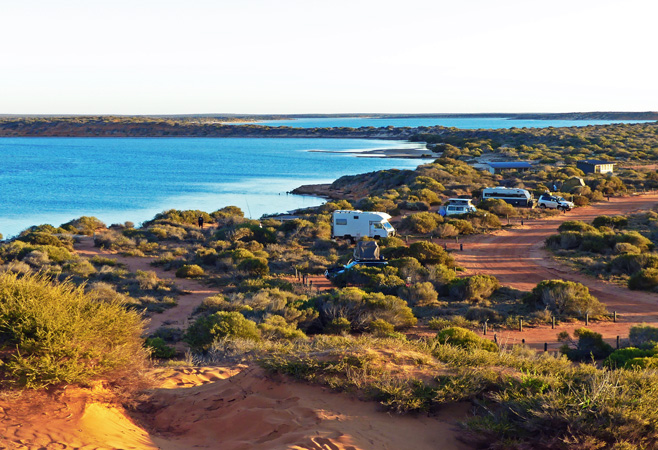 Walking Safari at Big Lagoon Camp Zambia
The Remote Beauty of South Luangwa
South Luangwa National Park is often called the birthplace of the walking safari, and Big Lagoon Camp proudly carries that tradition forward. The park, located in eastern Zambia, is home to an incredible diversity of wildlife — elephants, leopards, lions, hippos, wild dogs, and over 400 species of birds. But what truly sets it apart is its solitude.
While most safari lodges in Africa rely on game drives, Big Lagoon Camp strips it back to the essentials. You’ll see wildlife on foot, guided by an expert naturalist and an armed scout who help you read the bush’s hidden language — from paw prints in the sand to alarm calls in the trees.
Getting There: The Journey Is Part of the Adventure
Reaching Big Lagoon Camp Zambia is a safari in itself. The nearest gateway is Mfuwe International Airport, which connects to Lusaka and several regional hubs. From Mfuwe, travelers are transferred to Tafika Camp, and from there, a scenic walk through the bush leads you to Big Lagoon.
It’s not just transportation — it’s a full sensory experience. The smell of wild sage, the distant cry of a fish eagle, and the sight of zebra tracks on dusty trails make every step feel like part of your story. This remoteness is what makes the camp so special.
 Big Lagoon Camp Chalets Overlooking the Lagoon
The Camp: Rustic, Wild, and Wonderfully Authentic
Big Lagoon Camp is small — only three reed-and-thatch chalets, each with open-air showers, comfortable beds, and a private deck overlooking the lagoon. There’s no Wi-Fi, no television, and barely a phone signal. What you’ll find instead is something far rarer: complete peace.
At night, the symphony of the African bush replaces city noise. Frogs croak by the lagoon, lions roar in the distance, and the stars stretch endlessly above you. Meals are served communally, often under the open sky, featuring fresh, locally sourced dishes prepared by the camp’s friendly staff.
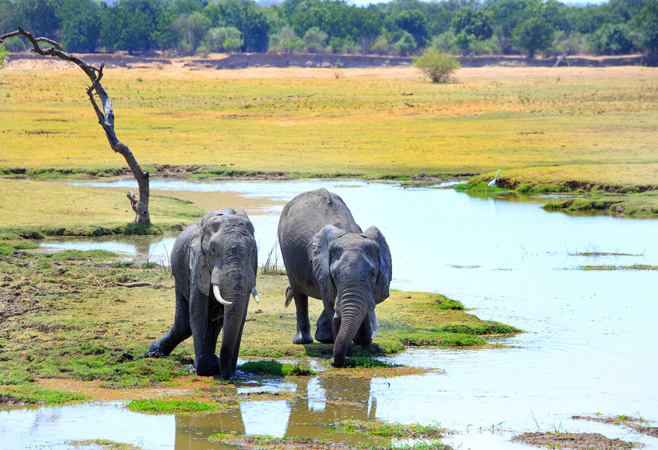 Elephants Crossing the Lagoon at Big Lagoon Camp Zambia
Wildlife Encounters You’ll Never Forget
Because Big Lagoon Camp sits beside a permanent water source, animals come right to your doorstep. Hippos wallow in the shallows, elephants cross the lagoon at dawn, and puku graze quietly nearby — all acting like they’ve paid extra for the waterfront suite.
Walking safaris here are unlike any other. With every step, your guide interprets nature’s clues — a crushed reed indicating an elephant’s path, or the fresh scent of a lion that passed by earlier that morning. And without the hum of vehicles, the bush suddenly has a lot to say. You hear birds, insects, and the crunch of your own footsteps. It’s humbling, exhilarating, and deeply grounding all at once — especially the moment you realize that the “mysterious rustle” behind you was just a squirrel with attitude.
When to Visit Big Lagoon Camp
The camp is open during the dry season (June to October), when wildlife congregates around water sources and the ground is firm for walking. This period also brings warm, sunny days and cool nights — ideal conditions for outdoor exploration and pretending you’re starring in your own nature documentary.
For birdwatchers, the early dry season (June–August) is especially rewarding. Countless species display their vibrant plumage, as if competing in a feathery fashion show where everyone’s overdressed and nobody complains.
Sustainability at Heart
Big Lagoon Camp Zambia was designed with sustainability in mind. Its structures are built using natural materials that blend seamlessly into the surrounding environment. Solar power keeps the lights running, and waste is managed responsibly to minimize impact.
By focusing exclusively on walking safaris, the camp reduces its carbon footprint and protects the fragile ecosystem of the Luangwa Valley. Staying here means contributing to conservation and supporting local communities — plus, you get bragging rights for choosing the eco-friendly option without sacrificing comfort. Win-win.
Daily Life at Big Lagoon
A typical day begins at sunrise with coffee and rusks, followed by a long morning walk through the bush. You’ll track wildlife, learn about the park’s ecology, and experience the thrill of moving silently through nature (or at least trying to — some of us are naturally crunchy walkers).
After a hearty brunch back at camp, afternoons are for rest: reading in a hammock, napping, or watching animals come to drink at the lagoon like it’s the local happy hour. As the sun sets, another walk or a peaceful sundowner closes the day. Evenings are filled with storytelling, laughter, and the comforting crackle of the campfire — the original surround-sound system.
Combining Camps: The Remote Africa Experience
Big Lagoon Camp is part of Remote Africa Safaris, which also operates Tafika Camp, Chikoko Tree Camp, and Crocodile River Camp. Many travelers combine these properties for a multi-day walking circuit through South Luangwa.
This approach lets you explore different ecosystems while enjoying the same intimate, walking-based experience. It’s a journey that deepens your connection to the land and offers unforgettable moments — from watching a herd of buffalo at sunrise to sharing dinner under a sky so full of stars you’ll wonder if someone secretly turned the brightness up.
 Apply for Zambia eVisa for Safari Adventure
How to Apply for a Zambia eVisa
Before you can experience the wonders of Big Lagoon Camp, you’ll need to apply for a Zambia eVisa. The process is straightforward:
- Visit the official Zambia Immigration Department website.
- Complete the online application form with your personal details and travel itinerary.
- Upload your passport copy, a recent photo, and proof of accommodation.
- Pay the visa fee securely online.
- Receive your eVisa approval via email — usually within a few days.
The eVisa is valid for entry through major airports like Lusaka and Mfuwe, making it the most convenient option for safari travelers.
What to Pack for Big Lagoon Camp Zambia
- Lightweight, breathable clothing in neutral colors
- A wide-brimmed hat and sunglasses
- Sturdy walking boots
- Insect repellent and sunscreen
- A refillable water bottle
- Binoculars and a camera
- A sense of adventure — you’ll need it!
Why Big Lagoon Camp Is Special
Big Lagoon Camp Zambia is not a place for everyone — and that’s exactly what makes it extraordinary. It’s for those who want to feel the pulse of the wild, who crave silence over luxury, and who measure richness not in thread count but in experience.
You’ll leave with stories that no game drive could ever give you — the thrill of tracking elephants on foot, the stillness of a sunrise over the lagoon, and the bond you form with your guides who know every tree and bird by heart.
Tips for First-Time Visitors
- Plan your trip at least three months in advance during peak season.
- Pair your stay with a few nights at Tafika Camp to ease into the walking safari experience.
- Respect your guide’s instructions — the bush demands awareness and humility.
- Bring extra memory cards for your camera; you’ll take more photos than you expect.
- Most importantly, apply for your Zambia eVisa early to avoid travel delays.
The Magic of Disconnecting
In a world where we’re always connected, Big Lagoon Camp reminds you what true connection feels like — not to Wi-Fi, but to the earth itself. The absence of screens gives you time to notice the rustle of leaves, the rhythm of your heartbeat, and the quiet dignity of the wilderness.
It’s not luxury in the traditional sense — it’s something richer. It’s perspective, peace, and presence.
FAQ
Is Big Lagoon Camp suitable for families?
Children over 12 are generally welcome. However, because the camp focuses entirely on walking safaris, it’s best suited for older teens and adults who can comfortably enjoy longer walks in the bush.
Are game drives available from Big Lagoon Camp?
No. Big Lagoon Camp is a walking-only safari destination, designed to provide guests with a truly immersive, on-foot wilderness experience.
What is the best time to visit?
The ideal time to visit is between June and October, when the weather is dry, wildlife gathers around water sources, and walking conditions are perfect.
Do I need a visa to visit Zambia?
Yes. Most international travelers require a visa. The simplest and fastest option is the Zambia eVisa, which can be obtained online.
Is it safe to go on walking safaris?
Yes. All walks are led by licensed professional guides and armed scouts who are highly trained in wildlife safety and tracking.
Is Wi-Fi available at Big Lagoon Camp?
No, there is no Wi-Fi — and that’s intentional. The camp encourages guests to unplug and fully immerse themselves in the natural environment.
How can I apply for the Zambia eVisa?
You can submit your application online through the official Zambia Immigration Department website.
Final Thoughts
Big Lagoon Camp Zambia isn’t just another safari lodge — it’s an invitation to step back in time, to feel Africa under your feet, and to rediscover the joy of simplicity.
If you’re ready for an adventure that stirs the soul and awakens the senses, pack your boots, grab your camera, and start your journey by applying for your Zambia eVisa today. The wild heart of Africa is waiting.
Related Articles
- India to Zambia Distance: Flight Time, Routes & Travel Guide
- Gambia to Zambia Distance: Flight Time and Travel Options
- Transit Visa Zambia: Requirements, Eligibility, Fees & How to Apply
- Zambia Business Visa: Eligibility, Fees & Process
- Kenya to Zambia Distance: Complete Travel Guide
- Rwanda to Zambia Distance: Flight, Road & Travel Guide
- Distance Between Zambia and South Africa: Travel Guide
- Top Zambia Tour Packages from India with Safari
- Ghana to Zambia Distance: Complete Travel Guide
- Discover Mukuni Village Zambia: A Cultural Journey You’ll Never Forget

 NEED HELP 24/7
 United States
  United Kingdom
  Singapore
  Viber
Viber 


